Home Improvement Center reshapes tight interiors with modular, multiuse systems rooted in practicality. The materials are chosen for durability and low maintenance, designed to withstand daily traffic without sacrificing style. Clever storage hacks and adaptable furniture redefine how spaces breathe and function. From concept to build, a transparent workflow translates ideas into actionable steps. The approach invites curiosity about what comes next as spaces evolve under careful, measured hands.
How Home Improvement Center Transforms Small Spaces
Home Improvement Center reimagines compact interiors by prioritizing adaptable layouts, modular furniture, and smart storage. The approach analyzes Small space psychology to tailor color, lighting, and flow, enabling occupants to perceive larger environments.
Budget friendly layouts are engineered through multiuse pieces and scalable solutions, preserving openness while maximizing function.
Detachment underscores practical transformation, delivering liberated, efficient living without sacrificing style or comfort.
Smart, Practical Materials That Last
The focus centers on smart durability and practical materials chosen for high-traffic rooms, kitchens, and workshops.
Precision meets resilience as innovations blend sustainable composites, corrosion-resistant metals, and low-maintenance surfaces.
This approach champions freedom through reliable performance, guiding designers toward understated yet enduring, trend-aware environments.
See also: Challenges in Cognitive Technology Adoption
Storage Hacks and Modular Solutions for Daily Life
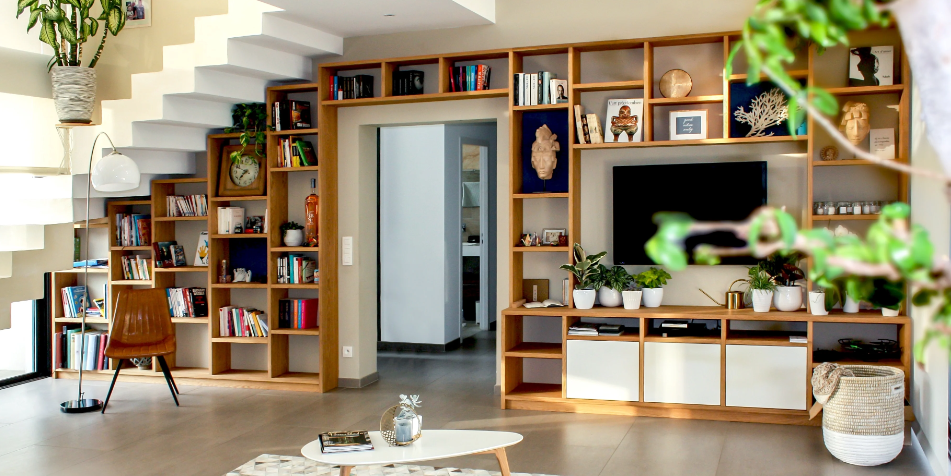
Storage hacks and modular solutions redefine daily organization by pairing flexible components with strategically tuned compartments. In practice, compact storage meets modular organization to maximize surface usefulness without sacrificing openness. Designers favor stackable, foldable, and revealable elements, enabling adaptive corners and closets. The trend prioritizes freedom through intelligent shelving, multiuse furniture, and concealed systems that breathe space while sustaining purposeful, ergonomic flow.
From Design to Deployment: A Hands-on Project Guide
From design concepts to real-world execution, this hands-on guide translates theory into actionable steps for an everyday project.
It outlines a modular workflow where design considerations shape procurement, timing, and ergonomics, then translates into build-ready tasks.
The narrative remains detached, focusing on measurable milestones.
Deployment challenges are anticipated, documented, and mitigated to ensure smooth, flexible, and freedom-driven results.
Frequently Asked Questions
How Do You Choose Durable Materials for Budget Projects?
Durable materials are chosen by balancing cost and longevity, prioritizing maintenance, modular furniture, and customization accessibility. For budget projects, consider virtual space planning and flexible components to accelerate transformation timeline start to finish while preserving trend-driven design freedom.
Can You Customize Spaces for Accessibility Needs?
Yes, spaces can be tailored for custom accessibility through adaptive design, prioritizing clear paths, interpretable controls, and flexible layouts. The approach embraces user freedom, balancing aesthetics with utility, while showcasing trend-driven, durable solutions for inclusive living.
What Maintenance Is Required for Modular Furniture?
Modular furniture requires a simple maintenance schedule: wipe with a soft cloth, avoid harsh cleaners, and check hardware quarterly. The finish care involves gentle polishes and guarding against moisture; irony aside, durability thrives with consistent, trend-aware upkeep.
Do You Offer Virtual Space Planning Consultations?
They offer virtual space planning consultations, leveraging virtual staging, color swatches, modular storage, and smart lighting to craft flexible layouts; a creative, precise, trend-driven approach aimed at audiences seeking freedom and adaptable living environments.
How Long Does a Typical Transformation Take Start-To-Finish?
Typical duration varies, but a transformation spans from start to finish with careful planning and phased milestones. The Durability selection informs pace; final timelines reflect scope, approvals, and installations, balancing ambition and practicality for the freedom-seeking client.
Conclusion
In the quiet cadence of a small room, coincidence quietly replays its hand: a modular shelf aligns with a misplaced corner, a hidden drawer mirrors a forgotten key, and color grades slide into place as if the space knew its own needs. Home Improvement Center doesn’t just furnish rooms; it choreographs chance, turning compact living into expansive possibility. When practicality and design kiss, daily life unfolds with surprising ease, instantly modern, subtly bold, inevitably transformative.